

Alcoholism, also known as alcohol misuse, is a far-reaching issue that affects generations of families, going well beyond the individual who consumes alcohol, influencing the emotional and physical well-being of family members and leaving a legacy of struggles for younger generations to come.
Does alcoholism affect a certain age group?
Alcohol addiction affects individuals across all age groups, but its prevalence varies depending on factors such as environment, upbringing, and stress levels. According to the National Survey on Drug Use and Health (NSDUH), adults aged 18 to 25 are more likely to engage in heavy drinking, while older adults may experience chronic issues related to lifelong alcohol misuse.
Key facts about age and alcoholism:
- Young adults often engage in binge drinking, which can lead to long-term substance use disorders.
- Middle-aged adults are more likely to struggle with hidden drinking problems due to stress or family pressures.
- Older adults may develop late-onset alcoholism due to isolation, grief, or medical issues.
How does alcohol addiction affect the younger generation?
Children and teens exposed to alcohol and drug misuse within the family are at a significantly increased risk of developing mental health and addiction issues. Studies show that children in homes where alcohol misuse is present often face emotional neglect, unstable environments, and disrupted routines, all of which can contribute to developing alcoholism later in life.
Impact on younger generations:
- Higher likelihood of adopting unhealthy drinking habits.
- Increased exposure to mental health disorders like anxiety and depression.
- Difficulty establishing healthy relationships due to unresolved childhood trauma.
What generation has the highest rate of alcoholism?
Statistics reveal that young adults—specifically those in their late teens and early twenties—have the highest rates of binge drinking and heavy drinking. This is often attributed to social pressures, newfound independence, and a lack of awareness about the dangers of substance use disorders.
However, no generation is immune to drinking problems:
- Baby boomers may struggle with alcohol as they face aging and retirement.
- Millennials often mix alcohol and drug use in social settings, leading to a dangerous cycle of dependence.
- Gen Z is showing signs of reduced alcohol misuse, though exposure through family influences remains a concern.
How does drinking impact families?
The effects of alcoholism ripple throughout families, often creating deep emotional and relational wounds. Family members of those who drink alcohol excessively often experience stress, financial instability, and feelings of guilt or helplessness.
Ways alcoholism impacts families:
- Parental addiction: Children may feel neglected or take on caregiving roles, disrupting their childhood.
- Marital strain: Alcohol addiction can lead to increased conflict, lack of communication, and even divorce.
- Generational patterns: Children of individuals with drinking problems are at an increased risk of repeating the cycle of addiction.
What age group is most likely to get addicted to alcohol?
While addiction can develop at any age, certain groups are more vulnerable:
- Young adults: This group, especially those aged 18–25, reports the highest rates of heavy drinking, according to the National Survey on Drug Use and Health. Early intervention during this period is critical.
- Teens: Experimentation with alcohol during adolescence significantly increases the risk of addiction in later years.
- Adults aged 25–44: Many in this age range face stress related to careers, relationships, and finances, which can contribute to drinking problems.
Alcoholism Treatment at Into Action Recovery
We treat alcoholism through a holistic and integrated approach. Our treatments are dynamic and will be tailored to your unique circumstances and needs.
It is never too late to seek help.
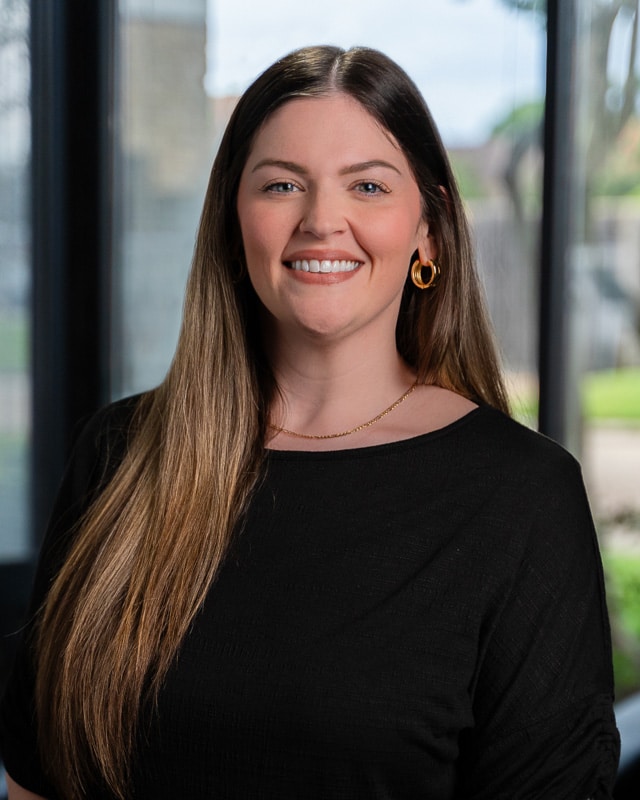
Sabrina Harland, LCDC
Sabrina Harland is the current President/Executive Director of Into Action Recovery. She joined the team as a Program Counselor in 2017, rising to this leadership position in 2021. She holds an Associate of Applied Science in Mental Health Substance Abuse Counseling from San Jacinto College, where she was recognized as the Outstanding Student of the Year. Her expertise includes motivational interviewing and client-centered therapy, reflecting her commitment to empowering clients in their recovery journey.