

Drug addiction impacts individuals and families across the United States. Understanding the available addiction treatment programs is the first step toward recovery. Whether you’re a concerned family member or someone ready to take control of your life, it is important you explore treatment options so you or your loved one can begin the recovery process.
What are the different types of substance abuse treatment?
Substance abuse treatment addresses the physical and psychological components of addiction. Programs designed to fit the individual needs of the person seeking help depend on the type of substances being abused, the severity of the addiction, and personal circumstances.
Types of treatment include:
- Inpatient treatment is a residential program offered at a rehab center where individuals receive 24/7 care in a structured environment.
- Outpatient programs are flexible programs where individuals can live at home while attending regular therapy sessions.
- Medication-assisted treatment (MAT) combines medication with behavioral therapies to address withdrawal symptoms and cravings.
- Therapy options include cognitive behavioral therapy (CBT) and family therapy.
Each of these options is supported by professional treatment services to help individuals sustain recovery and build lasting support systems.
How do I choose the right treatment program for myself or a loved one?
Keep in mind these key factors when choosing the right program for treatment:
- Assess individual needs: What is the severity of the addiction, and are there co-occurring conditions, like a mental health disorder?
- Consider logistics: Would an outpatient program allow for needed flexibility, or is an inpatient rehab center more necessary for full-time care?
- Research evidence-based methods: Programs that use therapies like cognitive behavioral therapy (CBT) or medication-assisted treatment are often more effective.
What is the success rate of substance abuse treatment?
Success rates for addiction treatment vary. Mostly, it depends on individual commitment, support systems, and the program’s effectiveness. According to the National Institute on Drug Abuse, a treatment combination of medical, psychological, and social support offers the best chance for permanent change.
Key factors that increase success include:
- Engagement in aftercare programs.
- Consistent participation in therapy.
- A resolve to maintain sobriety.
Do I have to detox before entering rehab?
Detox is often a crucial first step in the recovery process. Depending on the type of substances used, medically supervised detoxification may be helpful in ensuring safety and comfort during withdrawal. Detox prepares individuals to fully engage in the next phase of treatment, whether in an inpatient or outpatient program.
What should I expect during the first week of treatment?
In the first week of treatment, patients typically:
- Undergo an initial assessment to tailor a treatment service plan.
- Begin therapy sessions, potentially including cognitive behavioral therapy (CBT) or group counseling.
- Address withdrawal symptoms with the support of medication-assisted treatment.
- Learn coping strategies to manage triggers and cravings.
How long does substance abuse treatment typically last?
The length of treatment varies.
Some programs will have their patient undergo:
- 30-day intensive programs.
- 60- to 90-day residential or outpatient treatments.
- Long-term care extends up to a year for those with complex needs.
The Institute on Drug Abuse emphasizes that longer treatment durations generally lead to better outcomes, as individuals have more time to develop the tools they need to stay sober and sustain recovery.
Are there specialized services in drug treatment programs?
Many addiction treatment programs offer specialized services, including:
- Gender-specific programs.
- Dual diagnosis treatment.
- Family therapy to foster a supportive environment.
- Programs designed for adolescents or professionals.
Specialized services ensure that individuals receive care that addresses their specific circumstances.
What is medication-assisted treatment (MAT)?
Medication-assisted treatment (MAT) combines FDA-approved medications with counseling and therapy. It is effective for individuals recovering from opioid or alcohol addiction.
Benefits include:
- Managing withdrawal symptoms.
- Reducing cravings to prevent relapse.
- Enhancing engagement in therapy and other treatment services.
MAT is endorsed by the National Institute on Drug Abuse for treating substance use disorders.
Can I receive treatment for addiction if I have a co-occurring mental health disorder?
Yes, individuals with a mental health disorder can and should receive treatment addressing both conditions. Often referred to as dual diagnosis care, these kinds of programs are designed for co-occurring conditions and integrate therapies like cognitive behavioral therapy (CBT) and MAT.
According to the National Institute on Drug Abuse, addressing both addiction and mental health simultaneously improves outcomes for long-term recovery.
What happens after rehab?
Recovery doesn’t end when treatment does. Recovery is a life-long process that treatment jumpstarts. Aftercare helps individuals stay sober and prevent relapse.
Some options to consider when the patient leaves rehab are:
- Sober living homes.
- Therapy or counseling.
- Peer support groups to maintain support systems.
These resources provide the tools needed to navigate life post-rehab and ensure sustained recovery.
Treatment for Drug Addiction and Into Action Recovery
At Into Action Recovery, we want to help you by providing compassionate, professional care and customized addiction treatment options tailored to you.
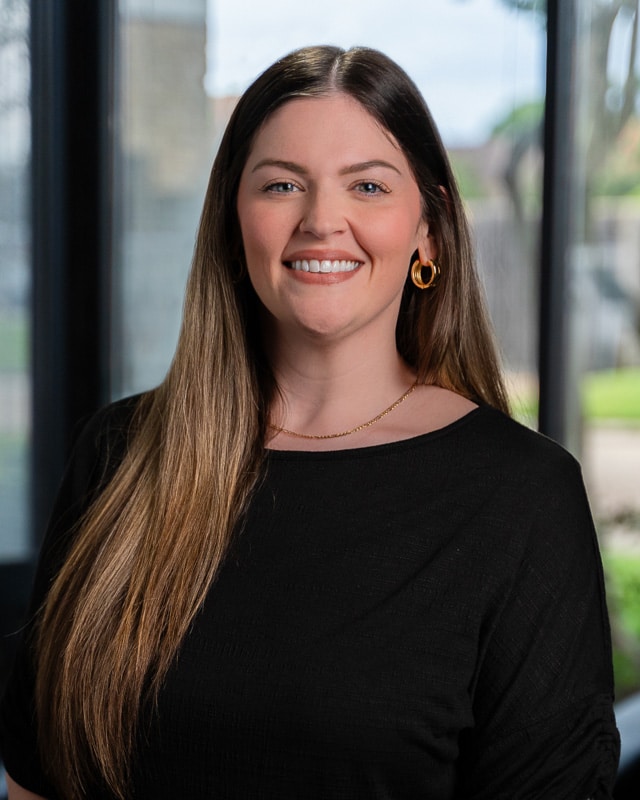
Sabrina Harland, LCDC
Sabrina Harland is the current President/Executive Director of Into Action Recovery. She joined the team as a Program Counselor in 2017, rising to this leadership position in 2021. She holds an Associate of Applied Science in Mental Health Substance Abuse Counseling from San Jacinto College, where she was recognized as the Outstanding Student of the Year. Her expertise includes motivational interviewing and client-centered therapy, reflecting her commitment to empowering clients in their recovery journey.