
The terms substance use and substance abuse are often confused but represent different levels of involvement with alcohol or drugs. Understanding this distinction is essential for individuals, families, and mental health professionals to recognize when intervention is needed and explore available treatment options.
This clarity can be a vital first step toward acknowledging a problem and seeking help.
What is substance use?
Substance use is the use of alcohol or drugs, including for recreational, medicinal, or other purposes. It ranges from the use of legal and illegal drugs to the use of prescribed medications. Most people who use substances never develop a problem, such as consuming alcohol socially or taking prescription drugs as prescribed by a health care provider.
However, drug misuse, such as taking a higher dose of medication than prescribed, is a form of substance abuse that may result in more serious problems.
What defines substance abuse?
You can tell when there is abuse when the use of alcohol or drugs starts to interfere with daily life. According to the Diagnostic and Statistical Manual, it is characterized by behaviors that cause significant harm or distress. It often involves a loss of control, where the individual prioritizes substance use over responsibilities at work, school, or home.
Key aspects include:
- Using illicit drugs or substances in ways that are harmful or illegal.
- Repeated use despite negative consequences.
- A growing dependence on the substance to feel good or function.
How does substance use differ from substance abuse?
The main difference lies in the impact on a person’s life. While substance use can be controlled and moderate, abuse disrupts daily functioning. The National Institute on Drug Abuse and the American Psychiatric Association emphasize that substance abuse is a chronic condition that often requires intervention from a mental health professional.
Can substance use lead to substance abuse?
Yes, substance use can escalate into abuse over time.
Factors that contribute to this include:
- Regular misuse of illegal drugs or prescription medications.
- Using substances as a coping mechanism for stress or mental illness.
- Increasing tolerance requires higher doses to achieve the same effect.
Recognizing early warning signs of drug misuse can help prevent substance use from becoming abuse.
What are the signs that substance use has become substance abuse?
Recognizing the transition from use to abuse is critical for early intervention.
Warning signs include:
- Neglecting responsibilities at work, school, or home.
- Legal issues, such as arrests for possession of illegal drugs.
- Financial problems due to spending money on alcohol or drugs.
- Changes in behavior, such as secrecy or mood swings.
- Physical signs like deterioration in appearance or frequent illness.
Is substance abuse considered a disorder?
Yes, it is recognized as a mental health disorder under the DSM-5. Conditions like alcohol use disorder and drug addiction are characterized by an inability to stop using a substance despite adverse consequences. Like other medical conditions, it often requires comprehensive treatment to achieve recovery.
How is it diagnosed?
A mental health professional typically diagnoses this condition.
The diagnosis is based on criteria outlined in the Diagnostic and Statistical Manual, including:
- A pattern of substance use leading to significant impairment or distress.
- Inability to control substance use despite efforts to quit.
- Physical dependence, including withdrawal symptoms when not using the substance.
What are the potential consequences of substance abuse?
This condition has far-reaching consequences.
These consequences include:
- Health issues such as liver damage, heart disease, and mental health deterioration.
- Strained relationships with family members and friends.
- Loss of employment or career and academic failure.
- Increased risk of legal troubles due to using illegal drugs.
The sooner the condition is addressed, the less severe these consequences may become.
Can it be treated?
Yes, it is treatable through a variety of evidence-based methods.
Common approaches include:
- Behavioral therapies, such as counseling or group therapy.
- Medication-assisted treatments for conditions like alcohol use disorder.
- Participation in support groups for ongoing accountability and encouragement.
Comprehensive treatment programs address both the physical and emotional aspects of substance abuse, helping individuals regain control of their lives.
How can one prevent substance use from escalating to abuse?
Prevention starts with awareness and proactive measures, including:
- Educating individuals, especially young people, about the risks of drug misuse.
- Providing access to mental health resources for those struggling with mental illness.
- Fostering open communication and building strong support groups.
- Addressing underlying stressors or trauma that may lead to substance use.
Substance Abuse Treatment at Into Action Recovery
At Into Action Recovery, we want to help you by providing compassionate and professional care, offering customized treatment options tailored to you.
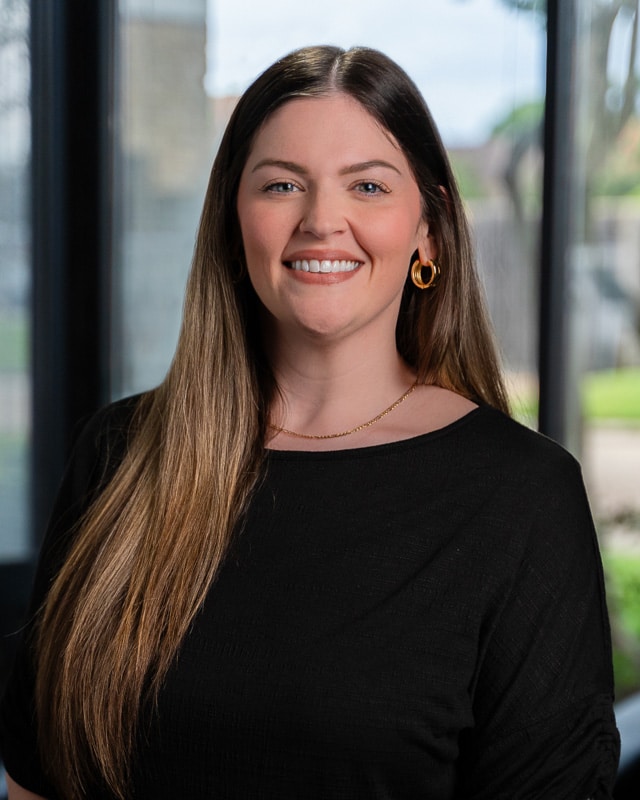
Sabrina Harland, LCDC
Sabrina Harland is the current President/Executive Director of Into Action Recovery. She joined the team as a Program Counselor in 2017, rising to this leadership position in 2021. She holds an Associate of Applied Science in Mental Health Substance Abuse Counseling from San Jacinto College, where she was recognized as the Outstanding Student of the Year. Her expertise includes motivational interviewing and client-centered therapy, reflecting her commitment to empowering clients in their recovery journey.