

Relationships and home environment can be major contributing factors in why a person turns to substances or alcohol abuse as a coping method, which may eventually turn into an addiction. Developing a support system that shares in you or your loved one’s goal for recovery is key to ongoing and life-long sobriety.
- What are Different Types of Support Groups?
- Who Attends Support Groups?
- Why is it Important to Have A Support System in Addiction Recovery?
- What if You Don’t Have Family for Support?
- How Do I Find A Local Support Group?
What are Different Types of Support Groups?
There are plenty of different types of support groups depending on the particular needs of the individual:
- Alcoholics Anonymous
- Cocaine Anonymous
- Crystal Meth Anonymous
- Heroin Anonymous
- Life Ring
- Marijuana Anonymous
- Narcotics Anonymous
- The National Alliance on Mental Illness (NAMI)
- Secular Organizations for Sobriety
- SMART Recovery
Social support groups are key to ongoing recovery after a patient graduates from a treatment program for a substance use disorder (SUD). The most popular are known as 12-step programs, which take you through a step-by-step process of responsibility, accountability, and reconciliation.
Who Attends Support Groups?
Many types of people can be considered part of an addiction support group, including:
- 12-step sponsor or mentor
- 12-step peers
- Friends who are sober
- Clergy, including a priest or pastor
- Counselors and therapists
Why is it Important to Have A Support System in Addiction Recovery?
Without a support system post-treatment, there will be less accountability and encouragement for ongoing sobriety, making drug or alcohol relapse easier and much more likely. If your home environment or normal social network before rehabilitation isn’t conducive to recovery, then it’s good to take advantage of the support network available during treatment, as well as alumni programs that offer opportunities to foster and strengthen connections with mentors and peers who promote sober living.
What if You Don’t Have Family for Support?
Support groups during addiction recovery treatment, as well as ongoing alumni meetings and social opportunities, allow those who may not have strong family support to develop new social networks and connections that will support and encourage sobriety.
How Do I Find A Local Support Group?
Local support groups can be found for different types of addictions by going to the websites of any of the popular organizations that offer group meetings, such as Alcoholics Anonymous (AA).
Recovery centers typically offer group meetings for current patients as well as alumni for ongoing support.
Get Help Today for Addiction With Into Action Recovery Centers in Houston
Are you or a loved one looking for help in recovering from addiction?
We have the expertise and tools needed for full-spectrum addiction recovery care, from detox to dual-diagnosis treatment.
Feel free to contact us today to take the next step in recovery.
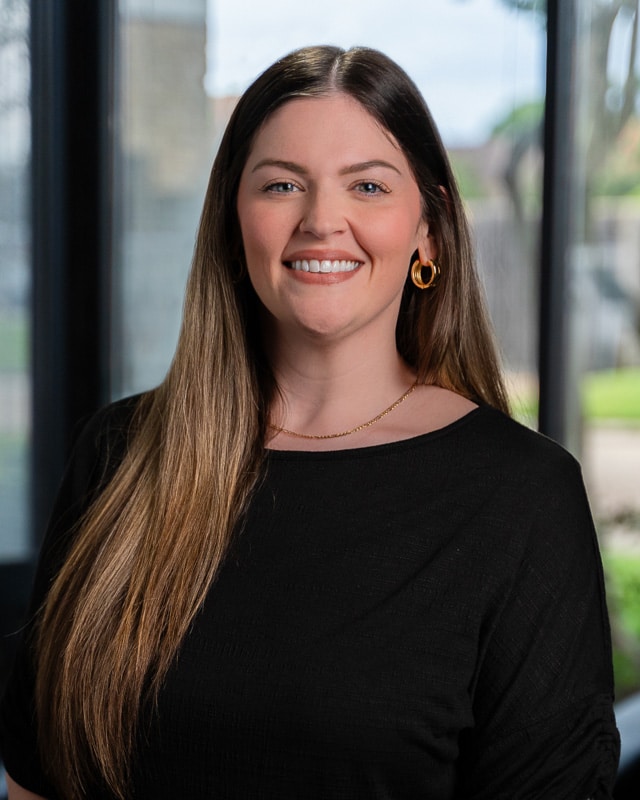
Sabrina Harland, LCDC
Sabrina Harland is the current President/Executive Director of Into Action Recovery. She joined the team as a Program Counselor in 2017, rising to this leadership position in 2021. She holds an Associate of Applied Science in Mental Health Substance Abuse Counseling from San Jacinto College, where she was recognized as the Outstanding Student of the Year. Her expertise includes motivational interviewing and client-centered therapy, reflecting her commitment to empowering clients in their recovery journey.