

Do you have a loved one who is addicted to drugs or struggling with alcoholism? Here are some practical steps to help you find your loved one the addiction treatment they need to reclaim their life.
What are the signs of drug addiction or alcoholism?
Recognizing the signs of drug addiction is a necessary step to help your loved one.
Some common indicators include:
- Behavioral changes like mood swings, irritability, or aggressive behavior may be noticed.
- Physical symptoms like unexplained weight loss, poor hygiene, or frequent illness occur in the lives of new addicts.
- Social withdrawal by avoiding friends and family, as well as neglecting responsibilities, is a clear sign.
- Unexplained financial problems are rampant for new drug users.
While someone is using drugs or alcohol, it is not uncommon for mental health issues to exist. These signs and symptoms of drug abuse must be kept in mind when seeking professional help for a loved one in order to provide a basis for treatment and care.
How can I approach my loved one about their addiction?
Starting a conversation about alcohol or drugs with someone who is struggling with them can be difficult.
Some ways you can approach having this complicated conversation should involve:
- Choosing the right time and place, finding a calm and private setting free from distractions.
- Express your concern without judgment, conveying your feelings without accusation.
- Listen actively while allowing them to speak when they feel the need to.
- Focus on the behavior, not the person.
The goal is to encourage personal responsibility, helping them to seek treatment without feeling forced.
What treatment options are available?
The types of treatment available are numerous for those struggling with alcoholism and drug addiction.
For example:
- On-Site Medical Detox
- Inpatient Treatment
- Outpatient Treatment
- Support Groups
- Therapy with a Mental Health Professional
How do I convince my loved one to seek help?
Along with the tips for having a great conversation noted above, you must also include the following strategies:
- Learn about addiction and the available resources in the United States.
- Gather friends and family to express concern collectively.
- Assure your loved one that they are not alone in this journey.
- Set a boundary to clarify which behaviors you approve of and can no longer tolerate.
- Express patience and understanding to gain trust and relationship equity
Are there support groups for families?
Some support groups specifically designed for families affected by addiction are:
- Al-Anon Family Groups
- Nar-Anon Family Groups
- Local Community Groups
- Church Recovery Groups
How can I set boundaries without pushing my loved one away?
Along with the strategies mentioned above, it is necessary to keep the following tips in mind to help your loved one gain your trust:
- Be clear when you communicate what you expect and why
- Be consistent when setting boundaries and offering help
- Avoid being an enabler of the actions you wish to help change
- Be sure to take care of yourself, engaging in a reasonable amount of self-care
Treatment for Drug Addiction and Alcoholism at Into Action Recovery
Into Action Recovery offers comprehensive treatments for those seeking recovery from addiction. If someone you know has struggled with alcohol and drug addiction, we want to come alongside you. Let us help your loved one begin their healing process and regain control of their life.
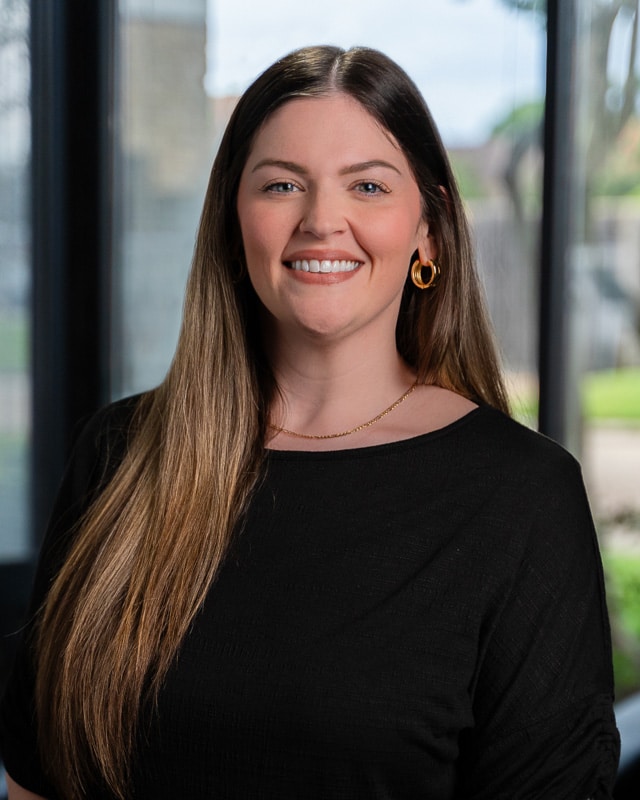
Sabrina Harland, LCDC
Sabrina Harland is the current President/Executive Director of Into Action Recovery. She joined the team as a Program Counselor in 2017, rising to this leadership position in 2021. She holds an Associate of Applied Science in Mental Health Substance Abuse Counseling from San Jacinto College, where she was recognized as the Outstanding Student of the Year. Her expertise includes motivational interviewing and client-centered therapy, reflecting her commitment to empowering clients in their recovery journey.