

If you or a loved one is struggling with mental health conditions, it’s natural to feel overwhelmed by the options for care. Residential treatment facilities offer a structured, supportive environment for individuals facing mental health disorders or co-occurring disorders, including substance abuse. But what exactly is residential treatment, and how do you know if it’s the right choice? Here’s what you need to know about this type of care and how it can help.
What is residential mental health treatment?
Residential treatment facilities provide 24-hour care in a safe, supportive setting where individuals can focus entirely on their mental health care and recovery. Unlike outpatient services, residential care allows patients to live on-site during treatment, creating an immersive environment that eliminates external distractions. This type of care is ideal for individuals needing intensive support for mental health disorders, substance abuse treatment, or both.
Key features of residential treatment include:
- 24-hour care provided by a team of licensed mental health professionals
- Individual and group therapies designed to address personal and interpersonal challenges
- Access to evidence-based treatments such as cognitive-behavioral therapy (CBT) and dialectical behavior therapy (DBT)
Who is eligible for residential mental health treatment?
Residential care is designed for individuals whose mental health conditions significantly impact their daily lives and require more structured support than outpatient services can provide.
You may benefit from residential treatment if you:
- Struggle with severe mental health disorders such as depression, anxiety, bipolar disorder, or PTSD.
- Experience co-occurring disorders, such as mental health issues combined with substance abuse.
- Have tried outpatient treatment without significant improvement.
- Need a safe, distraction-free environment to focus on recovery.
A consultation with a mental health professional can help determine if this type of care best fits your needs.
How do I find a suitable residential treatment facility?
Choosing the right residential treatment facility is an important step in the recovery process.
Look for facilities that offer:
- A variety of treatment services tailored to your specific needs
- Experienced, licensed mental health professionals on staff
- Comprehensive programs, including individual treatment, support groups, and evidence-based therapies
- A comfortable, welcoming environment that encourages healing
Researching reviews, asking for recommendations, and consulting with healthcare providers can help you find the right fit.
What types of therapies are offered in residential treatment programs?
Residential treatment programs offer many therapies tailored to address mental health disorders.
Common therapies include:
- Individual therapy: One-on-one sessions with a therapist to explore personal challenges and develop coping strategies
- Group therapy: Sessions with peers to build community, camaraderie, and shared experiences
- Family therapy: Involving loved ones in the healing process to strengthen relationships
- Evidence-based treatments: Approaches like CBT, DBT, and trauma-focused therapies
Many programs also incorporate holistic treatments such as art therapy, mindfulness practices, and exercise-based treatments to support overall well-being. Sometimes, these creative additions make a difference. But most of all, it is committing and dedicating oneself to implementing lasting change.
How long does residential mental health treatment last?
The length of stay in residential treatment facilities varies based on individual needs and the condition. Programs typically offer a range of 30 to 90 days, but some may extend longer for those with severe mental health conditions or co-occurring disorders. Your mental health professional will work with you to create a timeline that aligns with your recovery goals.
Will insurance cover residential mental health treatment?
Insurance coverage for residential care depends on your policy and provider. Most insurance plans, including Medicare and Medicaid, offer some level of coverage for mental health care, including residential treatment. Contact your insurance company to verify benefits and understand what costs are covered. It is possible that many facilities also offer financial assistance or payment plans.
What is the difference between residential treatment and inpatient hospitalization?
While both residential treatment and inpatient hospitalization offer intensive care, there are key differences:
- Residential treatment: Focuses on long-term recovery in a supportive, home-like setting. It often includes therapies, life skills training, and recreational activities.
- Inpatient hospitalization: Provides acute care for individuals in crisis, such as those at risk of self-harm. It is typically shorter in duration and highly focused on stabilization.
Understanding these differences can help you choose the most appropriate type of care for your situation.
Can family members be involved in the treatment process?
Yes, family involvement is often an integral part of the treatment process. Many residential treatment facilities include family therapy sessions. They also implement educational programs to help loved ones understand mental health disorders and learn how to provide effective support. This collaborative approach strengthens relationships and fosters long-term recovery.
What should I pack for a stay in a residential treatment facility?
Packing appropriately ensures you’re prepared for your stay.
Here’s a quick checklist:
- Comfortable clothing and personal hygiene items.
- A notebook or journal for personal reflection.
- Any prescribed medications, with proper documentation.
- Approved books, music, or hobbies for downtime.
Most facilities provide guidelines on what to bring and what to leave at home.
What happens after completing residential treatment?
After completing a residential program, individuals often transition to outpatient services or ongoing support groups to maintain their progress. Many facilities provide aftercare plans. This may include continued therapy, follow-ups with a mental health professional, and strategies for managing triggers. This continuity of care helps ensure a smooth transition back to daily life while supporting long-term recovery.
Residential Treatment for Addiction and Co-Occurring Disorders at Into Action Recovery
Into Action Recovery offers comprehensive treatments for those seeking recovery from addiction and co-occurring disorders. If someone you know has struggled with alcohol and drug addiction, we want to support you in your recovery journey today.
Let us help you or your loved one begin their healing process and regain control of their life.
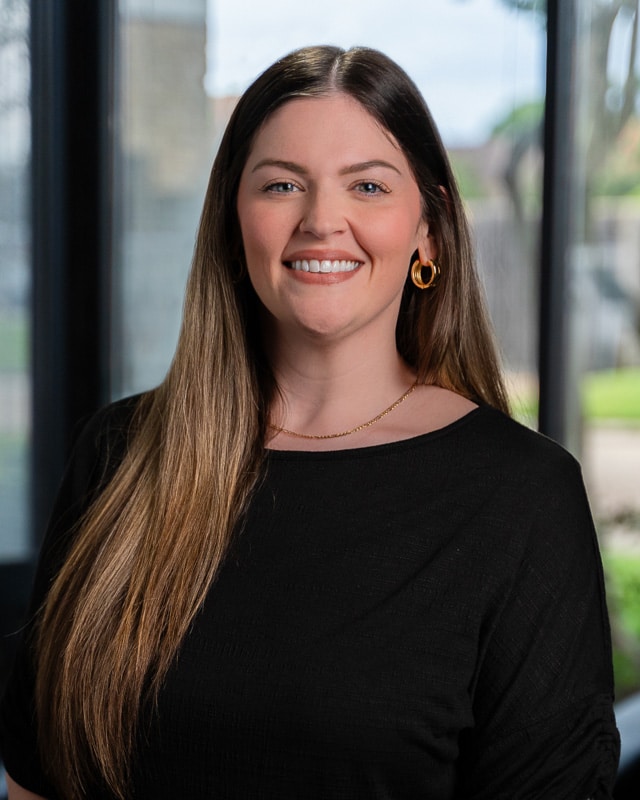
Sabrina Harland, LCDC
Sabrina Harland is the current President/Executive Director of Into Action Recovery. She joined the team as a Program Counselor in 2017, rising to this leadership position in 2021. She holds an Associate of Applied Science in Mental Health Substance Abuse Counseling from San Jacinto College, where she was recognized as the Outstanding Student of the Year. Her expertise includes motivational interviewing and client-centered therapy, reflecting her commitment to empowering clients in their recovery journey.