
Medically Reviewed by Dr. Mohammed Saeed, MD.
“Addiction is a disease.”
That statement has been disputed about as many times as it’s been put forth as an argument. But the scientific and medical communities recognize that addiction—whether it is a result of drugs or alcohol—is a disease.
In fact, according to The National Center on Addiction and Substance Abuse, addiction is defined as a disease by most medical associations, including the American Medical Association and the American Society of Addiction Medicine.
When was addiction classified as a disease?
The AMA has recognized that addiction is a disease since 1956. An addict is not deciding “to be an addict.” No one would do that.
How is Addiction a Disease?
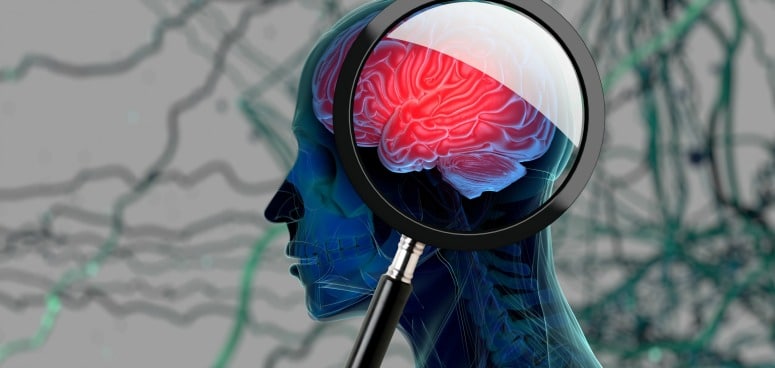
Addiction is a disease of the brain and body that involves compulsive use of one or more substances, despite serious health and social consequences. Addiction disrupts regions of the brain that are responsible for reward, motivation, learning, judgment and memory. It damages various body systems as well as families, relationships, schools, workplaces and neighborhoods.
Like diabetes, cancer and heart disease, addiction is caused by a combination of behavioral, environmental and biological factors. Genetic risks factors account for about half of the likelihood that an individual will develop addiction.
That explanation goes a long way in explaining why one person can have a drink or two every night and have no consequences while another becomes an alcoholic. For the person with bad genetics, those one or two drinks will fail to satisfy them for long. There is a genetic “need” to have more. And that need quickly becomes a craving that is almost impossible to resist.
Most people don’t understand how other people become addicted to alcohol or drugs. Those people think that the addicted person lacks willpower, that if they really wanted to, they could stop. But addictive drugs alter the brain in ways that make quitting hard.
At Into Action Recovery Centers, we understand this. We recognize that no one wants to be an addict. No more than anyone wants to be afflicted with diabetes or have heart problems. And like many medical diseases, there is hope. Into Action Recovery Centers has medically-trained personnel on site 24 hours a day, and we just recently hired an onsite MD to be our medical director.
Is a disorder and a disease the same thing?
No. Sometimes, the words “disorder” and “disease” are used interchangeably, but there is a very clear difference between them. A disorder is a group of symptoms that disrupts your normal body functions but does not have a known cause. By contrast, a disease is a medical condition with an identifiable cause.
How Do People Become Addicted to Drugs?
From the National Institute on Drug Abuse:
Many people don’t understand why or how other people become addicted to drugs. They may mistakenly think that those who use drugs lack moral principles or willpower and that they could stop their drug use simply by choosing to. In reality, drug addiction is a complex disease, and quitting usually takes more than good intentions or a strong will. Drugs change the brain in ways that make quitting hard, even for those who want to. Fortunately, researchers know more than ever about how drugs affect the brain and have found treatments that can help people recover from drug addiction and lead productive lives.
Once someone becomes addicted, they feel as if their life had been lost to addiction. But as bad as things may seem, there is hope. We specialize in helping those people get their lives back. There is not much better in life than being able to help someone recover their life and set them on a new path. It’s what we work for every day.
Addiction is a disease — yes — but it’s no excuse for continued suffering. We can help. We’ve already helped hundreds, so don’t wait. Don’t put yourself or your loved ones through another day.
How is Drug Addiction Treated?
Treating a substance use disorder is a complex recovery process. The most common treatments stem from two main branches: therapy and medication. These approaches work synergistically to effectively treat drug addiction..
Behavioral therapies help people in addiction treatment programs to modify their attitudes and actions related to drug use. Patients learn to manage stressful situations and various triggers that may lead to relapse. Examples of effective, research-based therapies include:
- Cognitive behavioral therapy (CBT)
- Contingency management
- Dialectical behavior therapy (DBT)
- Family therapy
- Motivational enhancement therapy
- Twelve-step programs
- Support groups
Medications can help stabilize brain chemistry to expedite the detoxification process. They also reduce cravings and relieve withdrawal symptoms. Medication-assisted options include:
- Buprenorphine
- Acamprosate
- Disulfiram
- Methadone
- Naltrexone
Quality Addiction Treatment at Into Action Recovery
We understand that treating a drug addiction is the first step to recovery. If you or a loved one needs help overcoming addiction, we’re here to get you started on your journey to life-long wellness.
Call us today at 844-303-3969 to schedule an appointment or learn more about our programs.
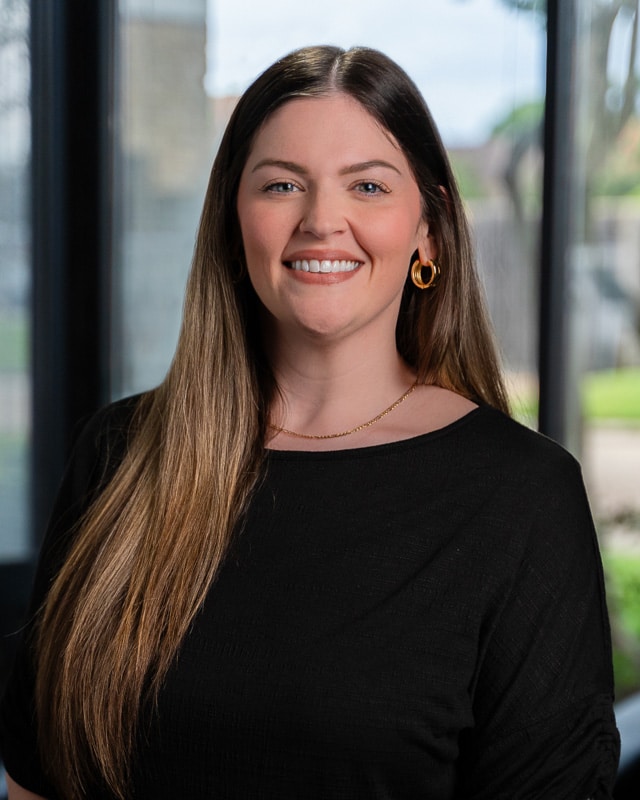
Sabrina Harland, LCDC
Sabrina Harland is the current President/Executive Director of Into Action Recovery. She joined the team as a Program Counselor in 2017, rising to this leadership position in 2021. She holds an Associate of Applied Science in Mental Health Substance Abuse Counseling from San Jacinto College, where she was recognized as the Outstanding Student of the Year. Her expertise includes motivational interviewing and client-centered therapy, reflecting her commitment to empowering clients in their recovery journey.